

I read 45 books last year. This guide covers everything about how to read more books based on real experience.Before you assume I’m one of those “I wake up at 4 AM and read for 2 hours” people, let me clarify: I read mostly on my phone while waiting for food to arrive, during commutes, and in bed when I should be sleeping. My reading habit is less “disciplined intellectual” and more “can’t stop scrolling but make it literary.”
Table of Contents
The biggest lie about reading is that you need a dedicated reading time, a quiet corner, and a cup of tea. You don’t. You need a book you actually want to read and 10 minutes you’d otherwise spend watching Instagram reels of people making tiny food.
Why Most People Quit Books (And How to Fix It)
| The Problem | What People Try | What Actually Works |
|---|---|---|
| “I can’t focus” | Force yourself to read for 1 hour | Read for 10 minutes. Stop when you want to. Come back later. |
| “I never finish books” | Power through boring chapters | Quit books that bore you. Life is short. DNF is fine. |
| “I don’t have time” | Wake up earlier | Replace one scroll session with reading. Same time, better content. |
| “I don’t know what to read” | Google “best books of all time” | Ask a friend who reads what they’re currently loving. Start there. |
| “I fall asleep while reading” | Read harder | Read in the morning or during lunch. Nighttime reading is for light books, not dense non-fiction. |
Step 1: Pick the Right Book (This Is 80% of the Battle)
The number one reason people “don’t like reading” is that they tried to start with the wrong book. Usually something on a “must read” list. Usually something by a dead Russian author. Usually something with a word count higher than their apartment’s rent. When it comes to how to read more books, this matters more than you think.

Here’s how to pick a book you’ll actually finish:
Start with what you already consume. Love true crime podcasts? Read a true crime book. Obsessed with startup stories? Read a business narrative. Watch cooking videos all day? There are genuinely great food memoirs. The genre doesn’t matter. The interest does.
Read the first 30 pages and check your gut. If you’re curious about what happens next, keep going. If you’re thinking about what to order for dinner, put the book down. There are 130 million published books. You don’t owe any of them your time.
Ask for specific recommendations, not general ones. “What should I read?” is an impossible question. “I liked Atomic Habits and I’m interested in psychology, what should I read next?” That’s answerable. That gets you Thinking, Fast and Slow or Predictably Irrational.
Step 2: Read in Pockets of Time (Not Blocks)
You probably don’t have a free hour for reading. Neither do I. Here’s where I actually read: When it comes to how to read more books, this matters more than you think.
- Morning tea: 10-15 minutes
- Commute (train/metro): 20-30 minutes
- Waiting for food/at appointments: 5-15 minutes
- Before sleep: 10-20 minutes
That’s 45-80 minutes a day without “finding time.” At an average reading speed of 30 pages per hour, that’s a 300-page book every 5-7 days. That’s 50+ books a year. From time you were already spending on your phone.
The trick is having your book accessible. I keep my Kindle app on my home screen, right where Instagram used to be. Every time my thumb reaches for the scroll, it opens a book instead. This single change doubled my reading last year.
Step 3: Build the Habit (Without Forcing It)
The 2-page rule: Commit to reading 2 pages a day. That’s it. Most days you’ll read more because once you start, you get pulled in. But on bad days, 2 pages is enough to maintain the streak. I stole this from James Clear, and it works.
Stack it onto an existing habit: Read while drinking morning coffee. Read on the toilet (everyone does this, nobody admits it). Read during your post-lunch food coma instead of scrolling. Attach reading to something you already do.
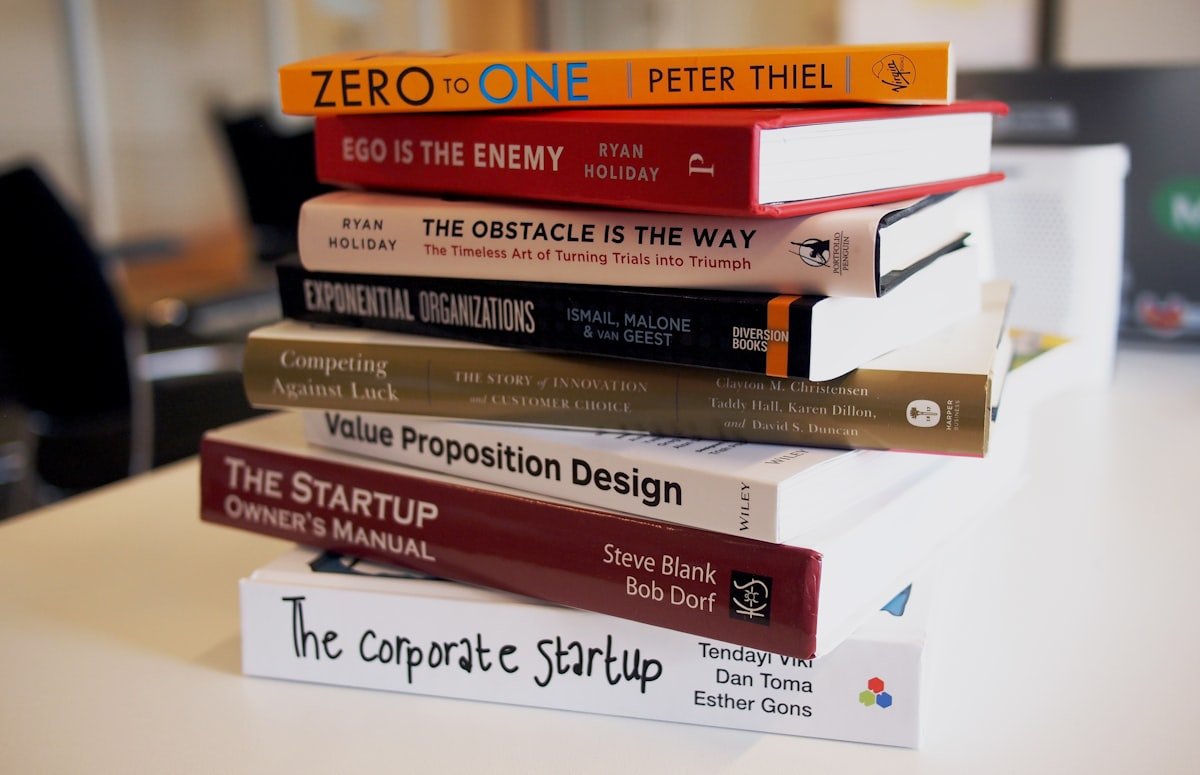
Track it casually: I use Goodreads, but even a note on your phone works. Seeing a list of books you’ve finished is weirdly motivating. I went from 12 books in 2024 to 45 in 2025, partly because watching the number go up became a game.
Step 4: Mix Your Formats
Not every book needs to be a physical paperback. I read in four formats depending on the situation:
Kindle (app or device): For most books. Lightweight, adjustable font, built-in dictionary. I read about 60% of my books this way. The Paperwhite is worth the investment if you read at night.
Physical books: For books with charts, illustrations, or that I want to annotate heavily. Also for books I want to display on my shelf. Yes, that’s a valid reason.
Audiobooks: For long non-fiction during commutes and walks. I listened to Sapiens while walking and it turned a 13-hour book into 2 weeks of enjoyable commutes. Speed it up to 1.25x if the narrator is slow.
Library apps: Libby and similar apps let you borrow ebooks and audiobooks free from libraries. If your city library supports it, this is unlimited free reading.
Step 5: Quit Bad Books Faster
This changed my reading life more than any other habit. I used to finish every book I started out of guilt. “I paid Rs 500 for this, I have to finish it.” That’s the sunk cost fallacy applied to literature, and it’s the reason people say they hate reading.
My rule now: 50 pages in, if I’m not interested, I stop. No guilt. If a book is truly good, I’ll want to keep going. If I’m forcing myself, that’s a sign, not a challenge to overcome.
I DNF’d (did not finish) 8 books last year. Every single one of them was replaced by a book I actually loved. Time saved: approximately 40 hours of joyless reading.
A Reading List for People Who “Don’t Read”
Short, gripping, impossible to put down. Start here:
- The Psychology of Money by Morgan Housel – 242 pages, reads like a blog. You’ll finish it in 2 days.
- Educated by Tara Westover – A memoir so wild you’ll think it’s fiction. Un-put-downable.
- Atomic Habits by James Clear – You’ve heard about it because it actually works. Quick read.
- Project Hail Mary by Andy Weir – Sci-fi that reads like a movie. Even non-sci-fi people love this.
- Ikigai by Hector Garcia – Short, calming, practical. You’ll finish it in one sitting.
How many books should I read per year?
However many you want. Reading isn’t a competition. 5 books you love and think about are worth more than 50 books you speed-read and forget. The “50 books a year” crowd on social media is inspiring but don’t let it pressure you. One book a month is excellent.
Kindle or physical books?
Both. Kindle for convenience and portability. Physical for special books you want to keep. The format is irrelevant. The reading is what matters. Anyone who judges you for reading on a phone has too much time and not enough problems.
How do I remember what I read?
Take brief notes while reading (highlights on Kindle are perfect for this). After finishing, write a 2-3 sentence summary of what you took away. The act of writing forces your brain to process the information instead of just consuming it. I do this in a simple note on my phone.
The Best Reading Tools and Apps I Actually Use
Figuring out how to read more books is partly about tools. Here are the apps and methods that made the biggest difference for me:
Kindle app on your phone. This changed everything. I read on my phone during commutes, waiting rooms, and lunch breaks. Those 10-minute sessions add up to 30-40 pages a day without carving out dedicated reading time.
Libby for free library books. Connect your local library card and you get free ebook and audiobook access. I have saved lakhs in book purchases since discovering this. Most city libraries in India now have digital lending.
Goodreads for tracking. Setting a yearly reading challenge gave me motivation. Seeing that progress bar fill up is really addictive. I also find great recommendations from friends reading lists there.
Audiobooks for non-fiction. Some books are better listened to. Business, self-help, and history books work great as audiobooks during walks or gym sessions. I use Audible and Storytel depending on the catalogue.
The 50-page rule. Give every book 50 pages. If it has not hooked you by then, drop it guilt-free. Life is too short to finish bad books. This single rule helped me read more books because I stopped slogging through ones I hated and picked up ones I loved instead.
You might also like:
Useful resources: