
I have a confession. This guide covers everything about best productivity systems based on real experience.Over the past few years, I have tried more productivity systems than any reasonable person should. GTD, Pomodoro, time blocking, bullet journaling, Eisenhower Matrix, the 1-3-5 rule, eat the frog, and at least six others that some guy on YouTube swore “completely transformed” his life while standing in front of a very organized bookshelf.
Table of Contents
- Why Most Productivity Systems Fail (It Is Not Your Fault)
- 1. The Two-Minute Rule (Stolen From GTD, Made Better)
- 2. The 1-3-5 Rule (For People With Infinite To-Do Lists)
- 3. The 20-Minute Weekly Review (Sunday Evening Ritual)
- What About Apps and Tools?
- How These Three Work Together
- The Systems I Tested and Abandoned (So You Do Not Have To)
- The Actual Point of All This
- Frequently Asked Questions
- Related Reading
Most of them worked for about two weeks. Then I got busy, skipped a day, felt guilty about skipping a day, skipped another day to avoid the guilt, and went back to doing things off the top of my head like a functional chaotic human. Sound familiar? I figured.
After years of this embarrassing cycle, I noticed something: the systems that stuck were never the most complete ones. They were the ones simple enough to survive a bad week, a sick day, or a period where “productivity” meant successfully getting dressed before noon.
I tested 12 popular systems. Three survived. Here they are.
Why Most Productivity Systems Fail (It Is Not Your Fault)
Before we get into what works, let me validate something you probably feel but never say out loud: the system is usually the problem, not you. When it comes to best productivity systems, this matters more than you think.
GTD is brilliant. In theory. On paper. In the mind of someone who has never had a toddler interrupt their “weekly processing session.” Time blocking is logical and elegant right up until your 10am meeting runs 45 minutes long and your entire afternoon looks like a Jenga tower that someone sneezed on. The Pomodoro technique has real research behind it, but try telling a client “sorry, can not talk, my tomato timer says I have 6 minutes of break left.”
These systems fail because they assume a level of consistency that real life actively resists. You get sick. Work explodes. You travel. You just have one of those weeks where the couch is more appealing than your perfectly color-coded planner. Any system that collapses the moment you skip a day is not a productivity system. It is a hobby.
The three methods below survived because they share one trait: you can ignore them for three days, pick them back up on Thursday, and not feel like you have to start over from scratch.
1. The Two-Minute Rule (Stolen From GTD, Made Better)
David Allen’s Getting Things Done system is enormous. It has capture inboxes, processing stages, context tags, weekly reviews, the works. It is the productivity equivalent of a 14-course tasting menu. Beautiful in concept. Exhausting in practice. When it comes to best productivity systems, this matters more than you think.
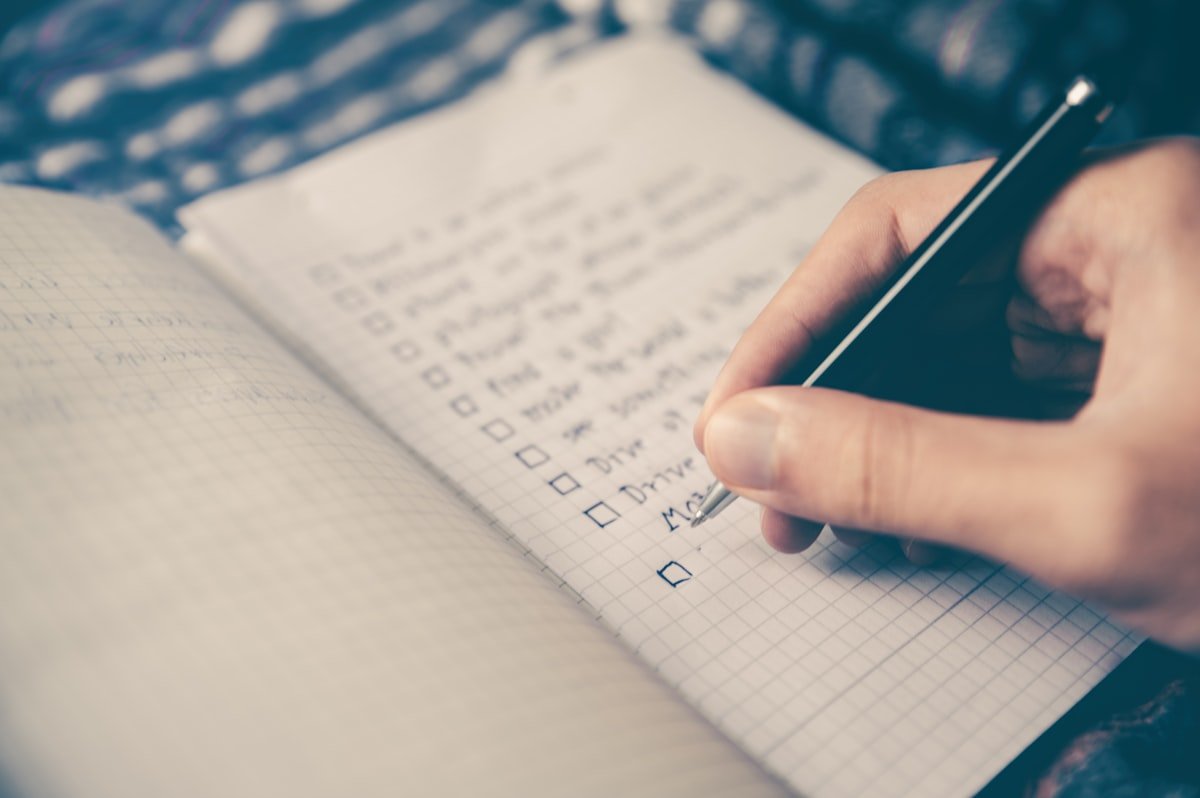
But buried inside it is one rule that works perfectly on its own: if something takes less than two minutes, do it right now. Do not add it to a list. Do not schedule it. Do not “circle back.” Just do it.
Reply to that text. Wipe down the counter. File that receipt. Send that one-line email. Each task takes about 90 seconds. Individually, they are nothing. But let 20 of them pile up and suddenly you are carrying this invisible weight of small undone things that makes everything else feel harder than it should.
I have used this rule for three years and it is, hands down, the single biggest quality-of-life improvement in my daily life. Not because the tasks matter that much. But because clearing them frees up mental space for the things that actually do. Your brain is not meant to be a storage locker for “text mom back” and “pay that invoice.” Let it think about bigger stuff.
How to start: Next time you think “I should do that later,” check if it takes under two minutes. If yes, do it now. That is the entire system. No app required. No journal needed. No setup whatsoever.
Works best for: Chronic procrastinators, people who feel busy but never “caught up”
Time investment: Literally zero. You are just doing tasks sooner instead of later.
2. The 1-3-5 Rule (For People With Infinite To-Do Lists)
If your to-do list looks like a CVS receipt, this is for you.
Every day, you plan exactly: 1 big task, 3 medium tasks, and 5 small tasks. Nine things total. That is your whole day. No more. When the nine are done, you are done. Go watch TV. You earned it.
The genius here is the constraint. Most to-do lists grow until they are basically a wish list of everything you might someday want to accomplish. You never feel “done” because the list never ends. It is a hamster wheel with checkboxes. The 1-3-5 method forces you to pick what actually matters today, which is the skill every productivity guru promises to teach but usually just talks around for 300 pages.
Your one big task is the thing that would make you feel like the day was productive even if everything else fell apart. Maybe it is finishing a report, having that conversation you have been avoiding, or shipping a project milestone. The three medium tasks support it or move other things forward. The five small ones are the emails, calls, and errands that keep life from falling apart.
I have found this works especially well for people who feel overwhelmed. When you only have nine things to choose from, prioritizing stops being this big philosophical exercise and becomes a two-minute decision.
How to start: Tonight, write your 1-3-5 for tomorrow. Sticky note, phone, napkin, whatever. Keep it visible. Cross things off as you go. Try it for five days before deciding. Most people know by day three.
Works best for: Overwhelmed overthinkers, chronic overplanners, people whose to-do lists cause anxiety
Time investment: 2 minutes each morning. That is not a typo.
3. The 20-Minute Weekly Review (Sunday Evening Ritual)
Also borrowed from GTD, also stripped down to just the parts that matter. Once a week, usually Sunday evening (though Wednesday works too, I am not your boss), I spend 20 minutes with three questions:
- What did I actually get done this week that I feel good about?
- What slipped through the cracks?
- What are the three most important things for next week?
That is the whole review. No templates. No elaborate spreadsheets. No color coding. Three questions. Twenty minutes. A cup of something warm if you are feeling fancy.
Without a check-in like this, weeks just… blur. You feel busy all the time. You know you did stuff. You can not remember what. Monday arrives and you are already reactive, putting out fires instead of choosing what to work on. The weekly review gives you a tiny bit of control in a world that mostly does not offer any.
The second question is secretly the most valuable one. “What slipped through the cracks?” is where you find patterns. If the same thing keeps showing up week after week, it is either not important enough to be on your list (delete it and feel free) or it is something you are avoiding for a reason worth understanding (usually fear, which is worth a separate conversation with yourself).
How to start: Set a 20-minute reminder for Sunday evening. Open a blank note. Answer the three questions. Do not overthink it. The value is in doing it consistently, not in doing it perfectly.
Works best for: People who feel busy but cannot point to what they actually accomplished
Time investment: 20 minutes per week. Less time than one episode of anything on Netflix.
What About Apps and Tools?
You do not need any. And I am saying this as someone who has spent embarrassing amounts of time configuring Notion databases and Obsidian vaults for productivity systems that I abandoned two weeks later.
A sticky note works for 1-3-5. Your phone’s notes app works for the weekly review. The two-minute rule needs nothing but your two hands and a willingness to just do the thing.
If you absolutely want a digital tool, Todoist is great for 1-3-5 (you can set daily limits and priorities). Notion or Apple Notes work for the weekly review. But the tool matters maybe 5% as much as the habit. If you spend an hour picking the perfect app and zero minutes actually following a system, you have productivity backwards. And I say this from extensive personal experience.
How These Three Work Together
You do not need all three. Pick one. Try it for two weeks. If it sticks, maybe add another. But if you want the full lightweight stack:
- All day: Two-minute rule catches small stuff in real time
- Each morning (2 minutes): 1-3-5 list sets your priorities
- Sunday evening (20 minutes): Weekly review catches what fell through and aims you at next week
Total weekly overhead: about 30 minutes of intentional planning. Everything else is just doing tasks you would have done anyway, slightly sooner. That is the lowest maintenance productivity system I have ever found, and I have looked hard.
The Systems I Tested and Abandoned (So You Do Not Have To)
| System | Why I Dropped It |
|---|---|
| Full GTD | The maintenance became its own productivity problem. I was spending more time organizing tasks than doing them. |
| Strict Pomodoro | 25-minute blocks do not match how real work flows. I was interrupting deep focus to reset a timer. |
| Time Blocking | Collapses the instant a meeting runs long. My actual days look nothing like my planned days. |
| Bullet Journal | Beautiful system. I spent more time making it pretty than being productive. My “bujo” was basically an art project. |
| Eisenhower Matrix | Great for one-time prioritization. Terrible as a daily workflow. Everything ends up in the “important but not urgent” quadrant. |
| Eat the Frog | Starting with the hardest task at 8am when I have the energy of a dishrag just led to procrastination with extra guilt. |
The Actual Point of All This
Productivity is not about doing more. It is about doing the right things and feeling okay about the things you did not do. That second part is harder than any system can fix, but it helps to have a framework that keeps the important stuff from drowning in the noise.
These three methods have survived job changes, apartment moves, burnout, illness, and entire months where my main accomplishment was keeping a plant alive. They survived because they are small enough to restart without guilt and simple enough to remember without looking them up.
Try one. Give it two honest weeks. If it sticks, great. If it does not, you lost nothing except maybe a sticky note. And a sticky note costs, what, half a rupee? That is the lowest-risk self-improvement experiment I know.
Frequently Asked Questions
What is the single most effective productivity system?
The one you actually stick with. I know that sounds like a cop-out answer, but it is genuinely true. If I had to pick one, the Two-Minute Rule combined with the 1-3-5 method covers about 80% of most people’s needs with almost zero overhead. Start there.
Does the Pomodoro technique actually work?
For studying and repetitive tasks? Yes, the research supports it. For creative work, deep thinking, or anything that needs uninterrupted flow? It actively gets in the way. Use it as a tool for specific situations, not as your entire productivity philosophy.
How do I stop procrastinating?
Start with the Two-Minute Rule to build momentum. Knock out five tiny tasks in ten minutes and suddenly doing a bigger task feels less impossible. Then use 1-3-5 to limit your day to nine things, because a shorter list is less intimidating than a forty-item monster. Procrastination is usually about overwhelm, not laziness. Shrink the list and the motivation follows.
Should I learn the full GTD system in 2026?
Read the book for the ideas. Implement maybe 20% of it. The Two-Minute Rule and Weekly Review are the two concepts worth borrowing. The rest of the system is designed for executives managing complex projects across multiple contexts. If that is you, go for it. If you just want to stop forgetting things and feel less stressed, the two borrowed concepts are plenty.
Related Reading
- Notion vs Obsidian: Which Note App Fits Your Workflow? — the best apps to support whatever system you pick
- Best AI Tools in 2026 — automate the boring tasks so you can focus on meaningful work
- Best Psychology Books for Beginners — the science behind habits, motivation, and why your brain sabotages your plans
You might also like:
Useful resources: